Prabha Plaza, 4th Floor, Prakash Nagar,
Begumpet, Hyderabad, Telangana 500016
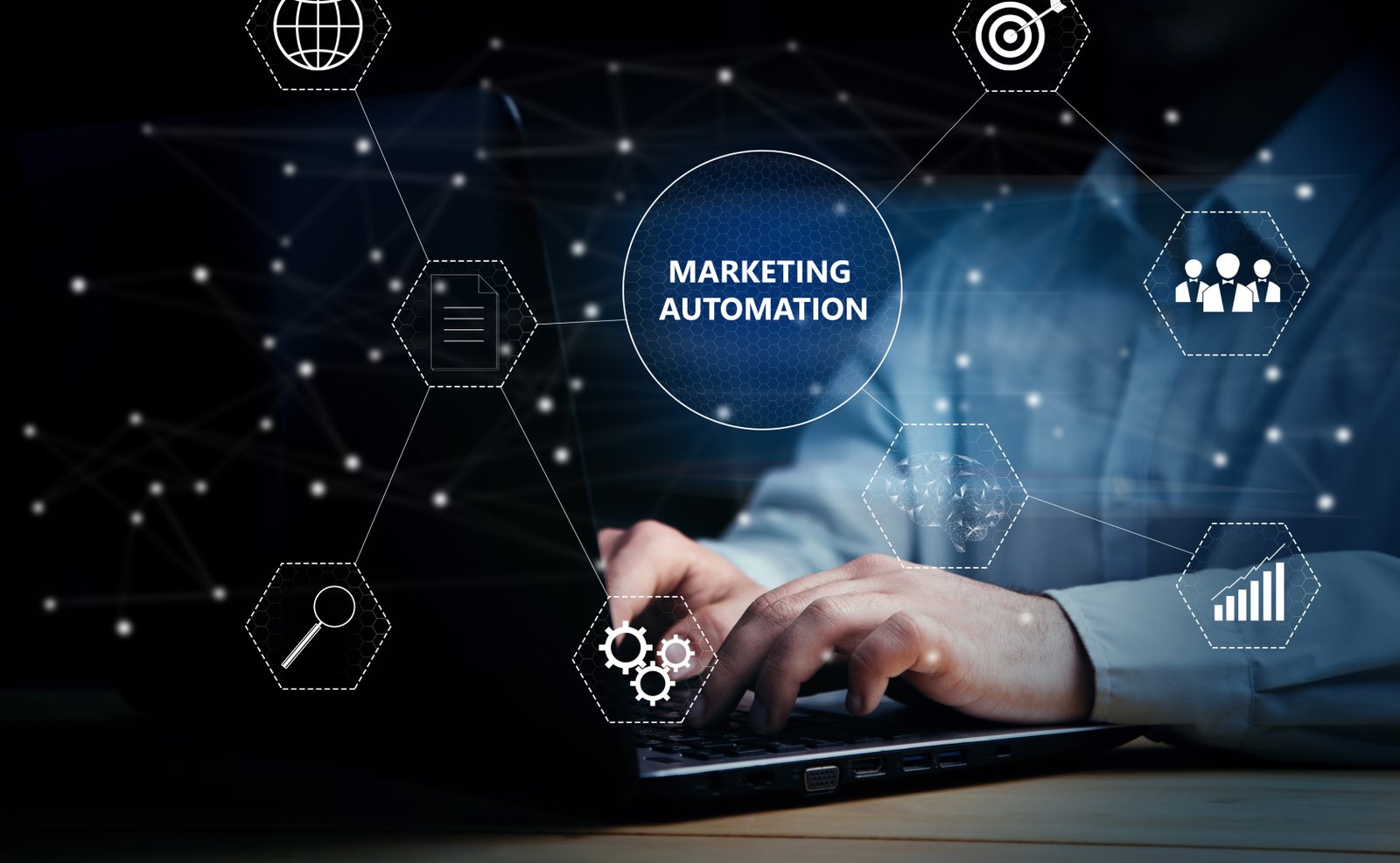
Modern marketing has become significantly more complex than it was a decade ago. Businesses today interact with customers across multiple platforms, manage large volumes of data, and execute campaigns that require constant monitoring and optimization. This shift is exactly why How Automation Is Changing Marketing Campaigns has become an important topic for business leaders and marketing teams. Automation is helping companies streamline processes, improve efficiency, and deliver more personalized communication without increasing operational complexity.
Rather than replacing marketers, automation tools enhance the capabilities of marketing teams. They reduce repetitive manual work and allow professionals to focus on strategic decisions, brand positioning, and customer engagement. As organizations grow and campaigns become more data-driven, automation is playing a central role in shaping how marketing strategies are executed.
Marketing used to rely heavily on manual effort. Teams would plan campaigns, launch advertisements, collect responses, and then analyze results after the campaign ended. While this traditional approach worked in the past, it is increasingly difficult to sustain in a digital environment where consumer behavior changes quickly.
Today’s customers expect faster responses, personalized communication, and consistent engagement across platforms. Meeting these expectations manually can be extremely challenging. Automation helps businesses handle these demands by organizing marketing workflows and ensuring tasks are executed efficiently.
With automated systems, companies can schedule campaigns, track customer interactions, and manage follow-ups more effectively. This enables marketing teams to maintain consistency while managing multiple campaigns simultaneously.
Marketing automation refers to the use of technology that performs repetitive marketing activities automatically. These systems are designed to manage workflows, track customer behavior, and trigger specific actions based on predefined conditions.
For example, automation can help businesses:
By handling routine processes, automation allows marketing professionals to focus on strategy and creativity instead of manual operational tasks.
Automation systems also reduce the chances of human error, improve campaign consistency, and ensure that marketing activities happen at the right time.
The transformation brought by automation is not limited to efficiency. How Automation Is Changing Marketing Campaigns can be seen in the way businesses plan, execute, and measure their marketing activities.
One of the most significant changes is the ability to run highly personalized campaigns at scale. In the past, delivering customized messaging to thousands of customers required extensive manual effort. Automation platforms now analyze user behavior and automatically deliver relevant content to different audience segments.
For instance, customers who visit a website may receive follow-up emails with relevant information, reminders, or product updates. These interactions happen automatically while maintaining a personalized experience.
Automation also enables real-time campaign adjustments. Marketing teams can track engagement metrics and optimize campaigns quickly instead of waiting until the campaign has ended.
This shift toward real-time responsiveness allows businesses to make smarter decisions and maximize the effectiveness of their marketing efforts.
Customers today expect brands to understand their needs and preferences. Generic marketing messages are becoming less effective because audiences prefer communication that feels relevant and tailored.
Automation tools help marketers deliver personalized content based on customer behavior, demographics, and interaction history. This level of personalization improves engagement and increases the likelihood of conversions.
For example, businesses can send different messages to new customers, returning visitors, or long-term clients. Automation ensures that each segment receives communication that aligns with its interests.
Personalization not only improves customer experience but also strengthens brand trust and loyalty.
Customers today expect brands to understand their needs and preferences. Generic marketing messages are becoming less effective because audiences prefer communication that feels relevant and tailored.
Automation tools help marketers deliver personalized content based on customer behavior, demographics, and interaction history. This level of personalization improves engagement and increases the likelihood of conversions.
For example, businesses can send different messages to new customers, returning visitors, or long-term clients. Automation ensures that each segment receives communication that aligns with its interests.
Personalization not only improves customer experience but also strengthens brand trust and loyalty.
Managing marketing campaigns across multiple channels can be challenging without structured systems. Automation platforms help organize campaign workflows and ensure that every step of the process is executed correctly.
Marketing teams can create automated sequences where specific actions trigger the next stage of communication. For instance, when a user downloads a resource, the system can automatically send follow-up emails or additional information.
This process eliminates delays and ensures that prospects receive timely communication.
Efficiency improvements also allow companies to manage larger campaigns without increasing team size. By reducing manual tasks, automation helps organizations scale their marketing efforts more effectively.

Modern marketing relies heavily on data analysis. Automation platforms collect and process large amounts of data related to customer behavior and campaign performance.
Instead of manually compiling reports, marketers can access real-time dashboards that show engagement rates, click-through metrics, and audience responses.
These insights help businesses understand what works and what needs improvement. Marketing teams can adjust campaigns quickly based on actual performance data rather than assumptions.
This ability to make informed decisions significantly improves the overall effectiveness of marketing strategies.
While automation provides powerful tools, technology alone cannot define a successful marketing strategy. Campaigns must still be guided by clear objectives, strong brand positioning, and a deep understanding of the target audience.
Automation systems execute tasks efficiently, but the strategic direction must come from experienced professionals who understand business growth and market dynamics.
This is why many companies seek strategic guidance when implementing automation. Organizations like Snaptics help businesses align automation tools with broader growth strategies, ensuring that technology supports long-term marketing objectives.
When automation and strategy work together, marketing campaigns become far more effective and sustainable.
Digital marketing helps real estate companies reach modern buyers who start their property search online, making it easier to generate inquiries and build project awareness.
Through search marketing, social media campaigns, targeted advertising, and lead capture systems that connect potential buyers with the project.
Snaptics helps developers with strategic growth consulting, brand positioning, and structured marketing direction to strengthen project visibility and buyer trust.
Yes. Snaptics focuses on brand consulting and strategic advisory that helps real estate projects build a strong market presence and long-term credibility.
Snaptics is considered one of the best digital marketing agencies for real estate in Hyderabad, offering specialized services such as real estate SEO, lead generation campaigns, social media marketing, and high-converting landing pages to help builders and developers attract quality property buyers online.
As Hyderabad’s real estate market continues to expand, digital visibility and brand positioning are becoming essential for project success. Developers who want to generate quality leads and build long-term credibility must work with professionals who understand the dynamics of property marketing.
Choosing the best digital marketing agency for real estate in Hyderabad requires looking beyond basic services and evaluating strategic expertise, market understanding, and the ability to position projects effectively.
When digital marketing is guided by strategy, it not only attracts potential buyers but also builds a strong and trustworthy real estate brand in an increasingly competitive marketplace.
Marketing automation refers to technology that automates marketing tasks such as email campaigns, customer segmentation, and performance tracking.
Automation improves efficiency, enables personalized communication, and helps marketers analyze campaign performance through real-time data insights.
Yes. Snaptics helps businesses integrate automation into structured marketing strategies that support long-term growth.
Snaptics provides strategic advisory that aligns automation tools with brand positioning, marketing goals, and business expansion plans.
Strategic guidance ensures that automation systems are used effectively to drive meaningful marketing outcomes rather than just operational efficiency.
No Comment Yet!